Myogenetix · The Power of Exercise
Weak and unfit is deadlier than smoking
The two measures most strongly linked to a long life are not your cholesterol or your blood pressure. They are how strong you are and how fit your heart and lungs are (VO2 max).
Smoking: 1.4×. You can quit smoking. You can also quit being weak.
Low fitness, smoking, diabetes, heart disease and high blood pressure: Mandsager et al., JAMA Network Open 2018 (adjusted hazard ratios, lowest vs elite fitness). Low strength: Li et al., Medicine & Science in Sports & Exercise 2018 (adults 50+, a separate study).

Option 1
Train
Strong heart. Sharp brain. Dense bones. A body that keeps up with you at 80.
Option 2
Don't
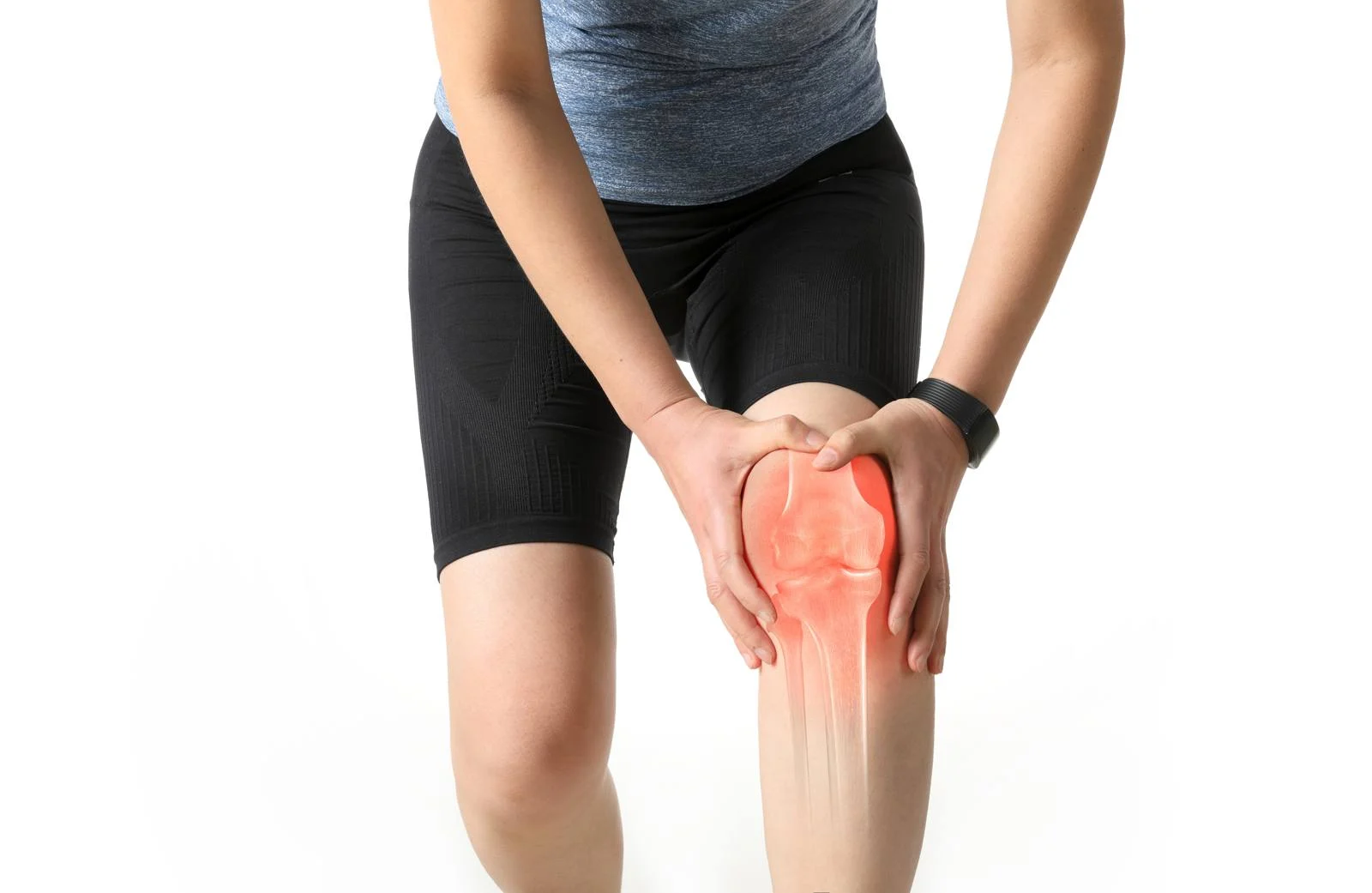
Wasting muscle. Brittle bones. Rising sugar. Ageing that arrives a decade early.
Myogenetix · The Power of Exercise
Same body. Two futures. You choose every day.
Every time you train, your muscles release myokines — chemical messengers that reach every organ. Skip it, and those messages stop. Here is the science, organ by organ and decade by decade.
What are myokines?
Your muscles are a pharmacy. Training opens it.
Scientists now call skeletal muscle an endocrine organ. When it contracts against resistance, it releases hundreds of signalling molecules into your bloodstream.
No contraction, no signal. A muscle that never works hard stays silent — and every organ that listens to it misses the message.
The periodic table of training
12 myokines. Tap one.
Each of these is released by working muscle. Select one to see which organ it reaches and what it does there.
Result
Helps break down stored fat, tells the liver how much sugar to release and boosts GLP-1 from the gut to support insulin.
Released only when muscle works. No training = no signal.
Organ by organ
Trained vs. sedentary: the verdict
If you train
If you don't
Grows thicker and stronger at any age — even in your 90s.
Decorin · IGF-1Shrinks 3–8% a decade from your 30s.
Rebuilt bigger and stronger after every session.
Repair & growthDisuse switches on programmed cell death (apoptosis).
Supports memory, focus and mood through BDNF — the brain’s own fertiliser.
Cathepsin B · Irisin · BDNFLess BDNF signalling — inactivity is linked to faster memory decline.
Supports healthy blood vessels; strength training is linked to lower heart-disease risk.
FSTL-1Higher blood pressure and a higher risk of heart disease.
Muscle soaks up sugar; IL-6 helps the liver balance glucose and boosts GLP-1 to support insulin.
IL-6 · GLP-1Less muscle to store sugar — linked to insulin resistance and type 2 diabetes.
Helps burn stored belly fat and turn white fat into calorie-burning brown fat.
IL-6 · Irisin · MetrnlFat builds up around the organs, where it does the most damage.
Heavy loads and bone-building myokines support denser, stronger bones.
Decorin · IGF-1 · FGF-2Bones thin out — the road to osteoporosis and fractures.
Linked to slower skin ageing — training shows on the outside too.
IL-15Ageing shows sooner — inside and out.
Helps mobilise natural killer cells; strength training is linked to lower cancer risk.
IL-15 · SPARC · OSMWeaker defences and a higher risk of disease.
10–17% lower risk of early death, heart disease, cancer and diabetes.
30–60 min / weekInactivity is linked to more than 5 million deaths a year.
+174% strength in volunteers aged 86 to 96.
8 weeks of liftingFrailty, falls and lost independence.
Every decade counts
Your body keeps score
It is never too early and never too late. Pick your decade and see what training gives you — and what sitting still takes away.

Build the bank

Stop the leak
Fight the drift
Protect the frame

Stay sharp

Stay free
Meet your 70-year-old self
Which one are you building?
Climbing mountain trails. Lifting the grandchildren. Steady on the stairs, sharp in conversation and still fully independent. In one study, people aged 86 to 96 gained 174% strength in just 8 weeks of lifting.
Aching joints, a weak grip and a fear of falling. Every year of inactivity shows up here — in pain, pills and lost freedom.

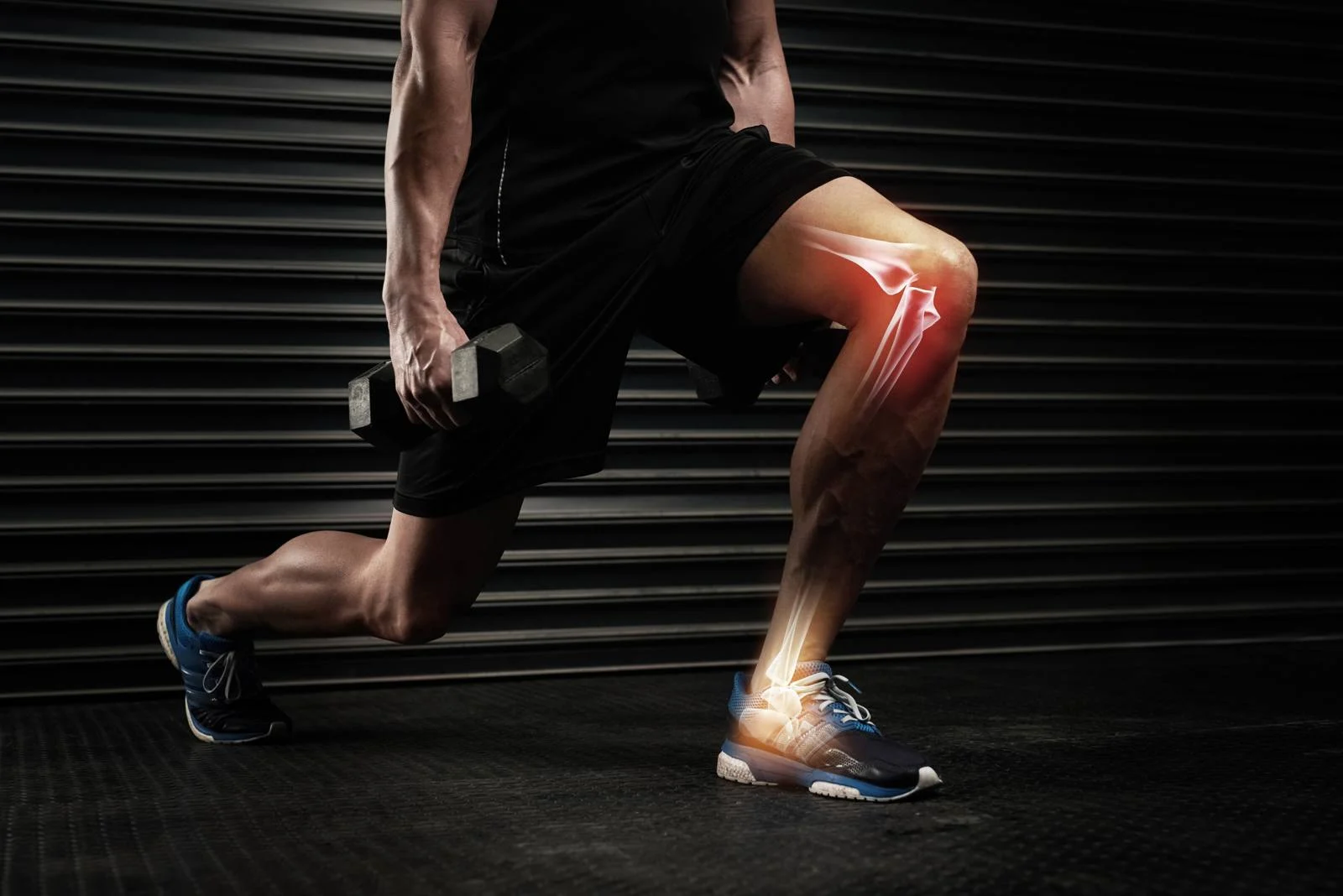
Gym. Track. Pool. Road. Park.
It doesn't matter where you train — it matters that your muscles work hard. Tap or hover to bring them to life.
 Track
 Pool
 Road
 Gym
 Park
 Beach
10–17%
lower risk of early death, heart disease, cancer and diabetes with regular muscle training
+174%
strength in 8 weeks — in people aged 86 to 96
–1 kg
of leg muscle lost by older adults after just 10 days in bed
3–8%
of muscle lost per decade after 30 if you don't train
The prescription
The dose that works
of strength training a week — where the drop in risk of early death peaks.
Muscle releases myokines when it works hard against resistance. Challenge it.
From your 20s to your 90s, muscle still answers the call.
after every session, so your muscle has the amino acids to rebuild.

Decide now
Train hard. Refuel harder.
Every hard set tears muscle fibres. Amino acids from protein are the bricks your body uses to rebuild them bigger and stronger — so the next workout releases even more myokines. The older you get, the more protein your muscles need to respond.
Sources: Momma et al., British Journal of Sports Medicine 2022 (muscle-strengthening and mortality); Fiatarone et al., JAMA 1990 (strength training at 86–96); Kortebein et al., JAMA 2007 (10 days of bed rest); Pedersen and colleagues on myokines and muscle–organ crosstalk; Lee et al., The Lancet 2012 (physical inactivity worldwide). This page is for education and does not replace medical advice — check with your doctor before starting a new training programme.